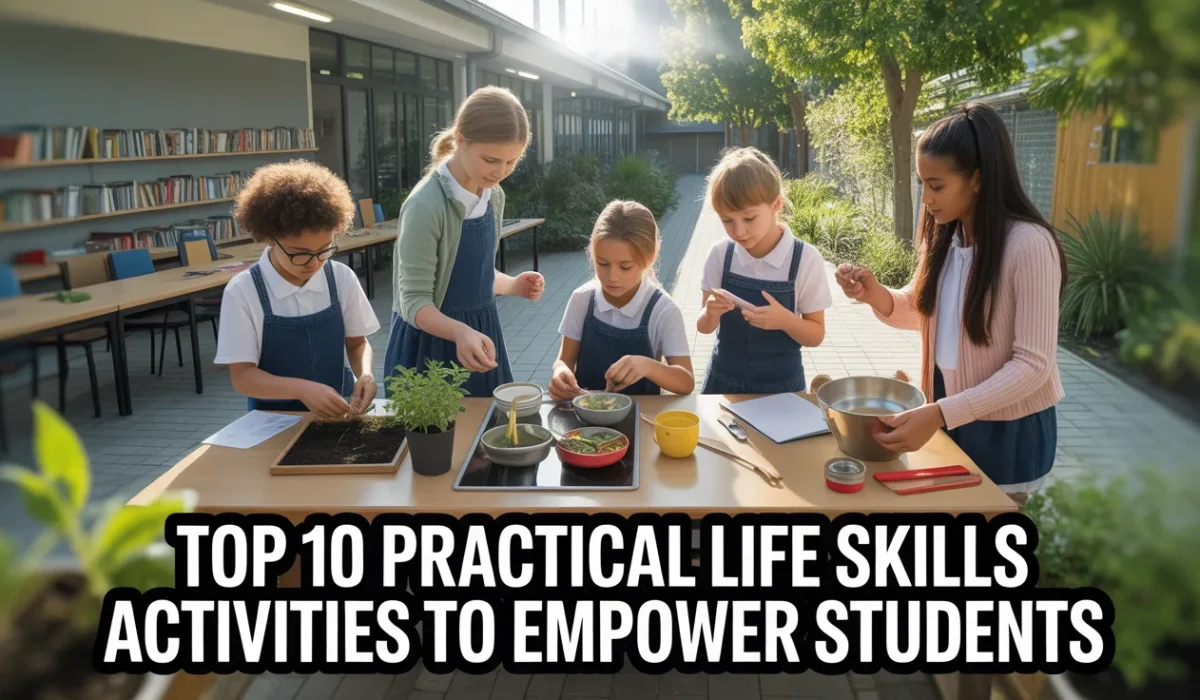
In today’s fast-changing world, academic knowledge alone is not enough for students to succeed. Schools must also focus on developing essential capabilities that help students manage real-life challenges, build confidence, and collaborate effectively with others.
This is where Life Skills for Students play a crucial role. These skills help learners become independent thinkers, responsible citizens, and confident individuals ready to face future opportunities.
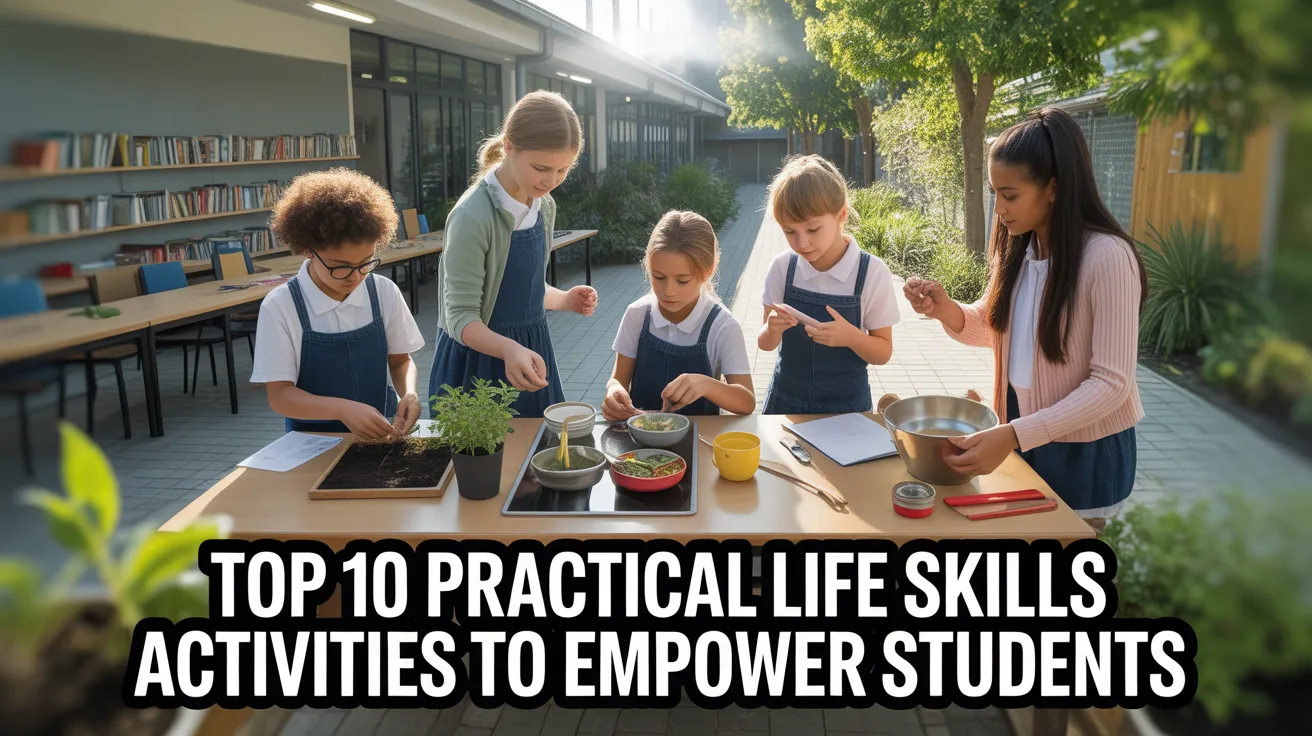
At Gyan Vihar School, educators believe that the best way to develop Student Life Skills is through engaging activities that combine learning with real-world practice. Carefully designed Life Skills Activities help students develop communication, leadership, creativity, and decision-making abilities.
In this guide, we will explore 10 practical activities that teachers can implement in classrooms to nurture Soft Skills for Students, strengthen Problem-Solving Skills, and encourage collaboration through Teamwork Activities.
Why Life Skills Are Important for Students
Developing Life Skills for Students is essential because these abilities help learners navigate everyday situations with confidence. When schools integrate Classroom Activities that focus on real-life learning, students gain skills that textbooks alone cannot provide.
Some major benefits of Student Life Skills development include:
- Improved communication and self-expression
- Stronger decision-making abilities
- Better emotional intelligence
- Increased confidence and independence
- Enhanced collaboration and leadership
These benefits highlight why schools like Gyan Vihar School emphasize practical Life Skills Activities alongside academic learning.
Top 10 Practical Life Skills Activities for Students
Below are some engaging activities that help build essential Soft Skills for Students while keeping learning interactive and meaningful.
1. Role-Playing Real-Life Scenarios
Role-playing is one of the most effective Life Skills Activities because it allows students to practice real-world situations in a safe learning environment.
A. Example Scenarios
Students can act out situations such as:
- Visiting a doctor
- Buying items at a store
- Resolving a conflict with a friend
- Participating in a job interview
B. Skills Developed
- Communication skills
- Confidence in social situations
- Decision-making abilities
- Emotional awareness
This activity strengthens Soft Skills for Students while also improving their Problem-Solving Skills.
2. Group Problem-Solving Challenges
Problem-solving challenges encourage students to think creatively and work together.
A. Example Activity
Divide students into small groups and give them a challenge such as:
- Build the tallest tower using paper and tape
- Design a bridge using limited materials
- Create a solution to reduce plastic waste in school
These types of Teamwork Activities allow students to collaborate and brainstorm ideas.
B. Skills Developed
- Critical thinking
- Leadership
- Collaboration
- Innovation
Activities like these improve Problem-Solving Skills while encouraging teamwork.
3. Budgeting and Money Management Activity
Financial awareness is an important part of Life Skills for Students.
A. Example Activity
Teachers can assign students a mock monthly budget and ask them to manage expenses such as:
- Food
- Transport
- School supplies
- Entertainment
Students must plan how to spend their money wisely.
B. Skills Developed
- Financial literacy
- Planning and prioritization
- Decision making
This activity helps strengthen Student Life Skills related to real-world financial responsibility.
4. Team Building Games
Interactive Teamwork Activities help students learn how to cooperate and communicate effectively.
A. Example Games
- Human Knot
- Blindfold Navigation
- Treasure Hunt
In these Classroom Activities, students must rely on teamwork to complete the task successfully.
B. Skills Developed
- Trust building
- Communication
- Leadership
- Collaboration
These activities help develop essential Soft Skills for Students needed in academic and professional environments.
5. Decision-Making Workshops
Teaching students how to make informed decisions is a critical component of Life Skills for Students.
A. Example Activity
Present students with real-life situations such as:
- Choosing between studying or attending a party before an exam
- Deciding how to respond to peer pressure
- Selecting the best solution to resolve a classroom conflict
Students discuss possible choices and their consequences.
B. Skills Developed
- Critical thinking
- Responsibility
- Ethical reasoning
These discussions improve Problem-Solving Skills and encourage thoughtful decision-making.
6. Community Service Projects
Community engagement helps students develop empathy and social responsibility.
A. Example Projects
Students can participate in:
- Tree plantation drives
- Cleanliness campaigns
- Helping at local shelters
- Organizing donation drives
These activities allow students to practice Student Life Skills in real-life community settings.
B. Skills Developed
- Compassion
- Leadership
- Responsibility
- Civic awareness
Community service also strengthens Teamwork Activities by encouraging collaboration toward a common goal.
7. Public Speaking and Presentation Activities
Public speaking is one of the most important Soft Skills for Students.
A. Example Activity
Students can prepare short presentations on topics such as:
- My Future Career
- A Social Issue I Care About
- My Favorite Book
Teachers can also organize debates and storytelling sessions.
B. Skills Developed
- Confidence
- Communication
- Critical thinking
- Persuasion
These Classroom Activities help students express ideas clearly and confidently.
8. Time Management Challenge
Learning how to manage time effectively is a crucial life skill for students.
A. Example Activity
Teachers can give students multiple tasks to complete within a limited time.
For example:
- Complete homework assignments
- Plan a study schedule
- Prepare for a small quiz
Students must prioritize tasks and allocate time efficiently.
B. Skills Developed
- Organization
- Productivity
- Goal setting
This exercise improves Student Life Skills that are essential for academic success.
9. Emotional Intelligence Activities
Understanding emotions is a vital aspect of Soft Skills for Students.
A. Example Activity
Teachers can conduct emotion-sharing circles where students talk about:
- A situation that made them happy
- A challenge they faced recently
- How they handled stress or disappointment
Students learn to understand their feelings and empathize with others.
B. Skills Developed
- Emotional awareness
- Empathy
- Communication
These activities support the development of well-rounded Life Skills for Students.
10. Entrepreneurship and Innovation Projects
Encouraging entrepreneurial thinking helps students develop creativity and leadership.
A. Example Activity
Students can work in groups to create a small business idea such as:
- Designing handmade crafts
- Creating eco-friendly products
- Organizing a small school event
They must plan marketing, budgeting, and teamwork strategies.
B. Skills Developed
- Creativity
- Leadership
- Planning
- Financial awareness
Such projects promote strong Problem-Solving Skills while enhancing Teamwork Activities.
Read also – How to Develop Problem-Solving Skills for Kids
How Schools Can Successfully Implement Life Skills Programs
To effectively teach Life Skills for Students, schools must create a structured learning environment.
1. Integrate Activities into the Curriculum
Instead of teaching skills separately, educators can incorporate Classroom Activities that naturally develop essential abilities.
2. Encourage Active Participation
Students learn best through hands-on experiences rather than passive listening.
3. Provide Real-Life Examples
Teachers should connect lessons with real-world scenarios to strengthen Student Life Skills.
4. Foster Collaborative Learning
Group tasks and Teamwork Activities help students learn from each other.
5. Evaluate Skills Development
Regular feedback and reflection help students improve their Problem-Solving Skills and communication abilities.
Role of Teachers in Developing Life Skills
Teachers play a vital role in nurturing Soft Skills for Students.
Their responsibilities include:
- Creating interactive learning environments
- Encouraging curiosity and creativity
- Guiding students through practical challenges
- Supporting emotional and social development
At Gyan Vihar School, educators focus on empowering students through innovative Life Skills Activities that prepare them for the future.
Final Thoughts
Developing essential Life Skills for Students is crucial for preparing young learners to succeed in both personal and professional life. Through engaging Classroom Activities, schools can cultivate critical abilities such as communication, leadership, decision-making, and emotional intelligence.
The Top 10 activities discussed above provide practical ways to enhance Student Life Skills, strengthen Problem-Solving Skills, and encourage collaboration through meaningful Teamwork Activities. By integrating these strategies into daily learning, institutions like Gyan Vihar School can create a generation of confident, capable, and responsible individuals ready to thrive in the modern world.