Kids want to learn, help, and reach their academic goals from the inside out. It’s challenging for teachers to keep youngsters interested and paying attention these days. At Gyan Vihar School, we realize that motivated students not only do better in school, but they also gain vital life skills like discipline, confidence, and curiosity.
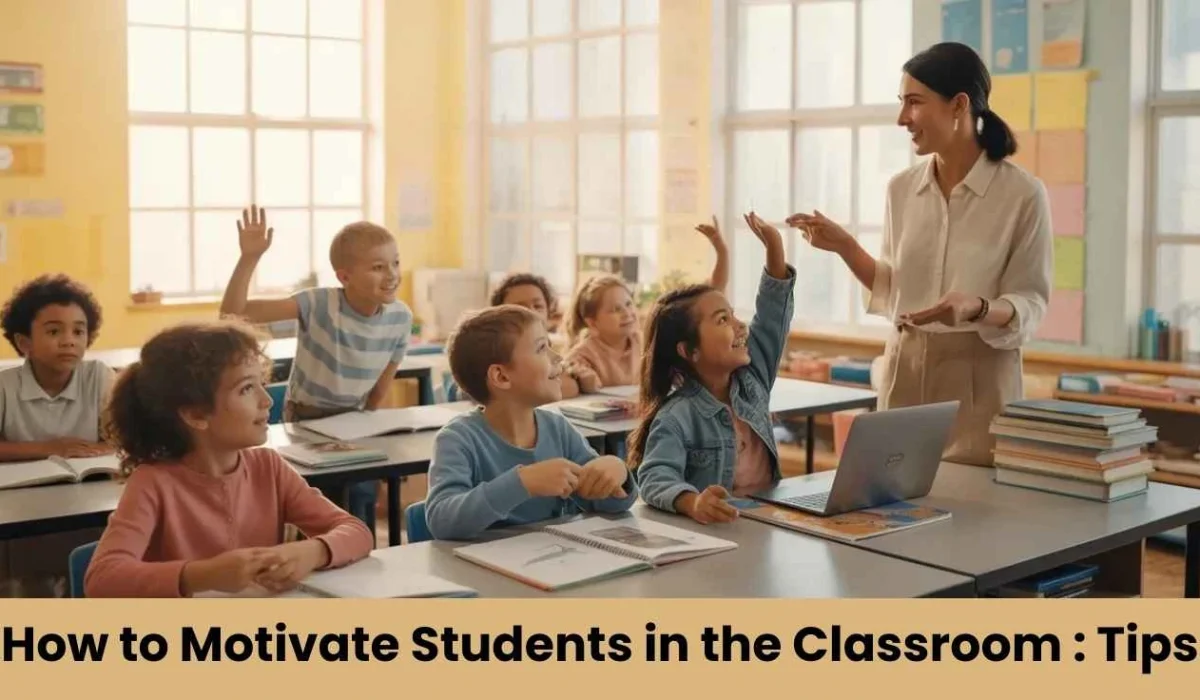
When students are motivated, they are more involved in their own learning. They raise their hands to ask questions, lead group activities, and are really engaged in what happens in class. But inspiration doesn’t just happen; it needs to be reinforced by the way you teach and the way your classroom looks and feels.
This article will give teachers helpful, tried-and-true advice on how to make their students more interested in learning in class. These tips will assist teachers get their students interested in studying and make it more fun and helpful. Some of these are making the classroom a fun place to be and employing hands-on methods to teach.
What Is Student Motivation?
Student motivation is the eagerness and readiness that students display to learn. It is what makes them pay attention, finish their job, and work toward their goals.
There are two key reasons why pupils are motivated:
Intrinsic Motivation: This kind of motivation comes from inside. Students learn because they like the subject or find it intriguing. For instance, a child who enjoys reading books on their own exhibits intrinsic motivation.
Extrinsic Motivation: It originates from rewards or praise from outside sources. Students may work hard to get good marks, praise from teachers, or thanks from parents.
Both types play an important role in learning. While intrinsic motivation leads to deeper understanding and long-term interest, extrinsic motivation can be useful for encouraging effort and building habits. Motivation directly affects learning outcomes. When students are motivated, they remember information better, solve problems more effectively, and develop a positive attitude toward education.
Why Student Motivation Is Important in the Classroom?
If teachers realize why it matters, they may make student motivation a priority in their lessons every day.
When students feel motivated, they are more likely to pay attention in class, turn in their work on time, and do well on tests. They work hard in school and want to achieve their best.
Kids who are driven trust in themselves and learn how to control their own behavior. They believe in themselves and have the discipline to keep trying because they know that hard work will help them succeed.
A classroom that is full of life and encourages pupils to participate is a good place to be. pupils raise their hands, say what they think, and work with other pupils. When you are actively involved, learning is more fun and useful.
When most of the students in a class are motivated, the classroom is a better environment to study. Everyone in the classroom is nice, pleasant, and helps each other. Teachers who think about ways to make school more interesting for their students frequently see big changes in how they act and how well they do in school.
12 Tips to Improve Student Motivation in the Classroom
Here are twelve helpful techniques for teachers to get their students enthused about learning in the classroom.
1. Set Clear and Achievable Goals
When students know what they want to do, they do better. When people have clear, defined, and attainable goals, they feel like they have a purpose and a direction. Instead of saying “do well in math,” a teacher could add, “By Friday, solve five word problems correctly.” This makes the objective clear and easier to reach. When kids meet little goals often, they feel good about themselves and want to keep going.
2. Create a Positive Classroom Environment
How a classroom feels has a big effect on how kids feel about learning. Students feel safe being themselves in a place that is polite, friendly, and supportive. Teachers should say hello to their students with warmth, talk to them nicely, and not be too harsh when they reprimand them. When students know that their hard work is valued, they are more likely to want to do well. It is easy to make the space better by showing off student work, praising tiny triumphs, and keeping it tidy.
3. Use Interactive Teaching Methods
It could get boring to merely listen to lectures. When students converse in groups, play games, and act out scenes, they stay interested. Instead of just explaining a concept, a science teacher might do a small experiment. This makes it enjoyable to learn and easy to remember. Students not only want to learn more when they learn interactively, but they also grasp and remember what they learn better.
4. Encourage Student Participation
Everyone in the class has something useful to say. Teachers should give all of their students a chance to offer their thoughts, not just the ones who are sure of themselves. You may get shy kids to engage in without putting them on the spot by asking open-ended questions, doing group games, and using strategies like “think-pair-share.” When students know that their ideas matter, they are more interested and sure of themselves.
5. Give Regular Positive Feedback
It’s important to get feedback, but it has to be helpful and positive. Teachers shouldn’t just tell students what they did wrong; they should also tell them what they did well and how to do better. Instead of just responding “wrong,” it could be wiser to add, “You did a great job explaining this part, and with a little more detail here, it will be perfect.” Students want to keep trying when they hear wonderful things about themselves because it makes them feel valued.
6. Connect Lessons to Real Life
Students often ask, “When will I use this in real life?” If you can answer this question, they will be much more interested. Lessons should be relevant to real life. You can use math to find out how much money you have, how much food you need, or how much you can spend. You can connect scientific ideas to health, technology, or the environment. Students are more likely to be interested and want to learn when they know how what they’re learning might help them in real life.
7. Support Individual Learning Styles
Everyone learns in their own way. Some people learn best by seeing, some by listening, and some by doing. Teachers who know about and help students with varied styles of learning make the classroom a better place to be. There are videos, images, conversations, and hands-on activities to make sure that everyone in the class understands the topic. Personalized learning teaches pupils that their specific needs are being met and valued, which makes them desire to learn more.
8. Build Strong Teacher–Student Relationships
Students are more inclined to put in a lot of effort when they feel like they know their teachers. It makes a huge difference to build trust and show that you really care. Teachers can do this by getting to know their pupils, talking to them about their hobbies, and being easy to talk to. A simple “How are you doing today?” might make a kid feel important and that you care about them. A teacher they trust can help a child feel better when they are upset, which makes them more willing to work harder and ask for help when they need it.
9. Use Rewards and Incentives Wisely
Intrinsic motivation is the best sort of motivation, but extrinsic rewards can be helpful if they are applied correctly. Kids can behave and work harder if they get small rewards like stickers, prizes, or extended playtime. But giving them too many prizes can make them less motivated from the inside. The most important thing is to find a balance between getting praise from others and pushing others to study and improve for their own reasons.
10. Encourage a Growth Mindset
Having a growth mindset means you believe that you can get better at things by working on them and practicing. Teachers should help kids understand that making errors is a chance to grow, not a failure. This way of thinking is grown stronger by praising effort instead of just outcomes. Instead of saying “You’re so smart,” you may say, “You worked really hard on this problem.” When youngsters learn to see themselves as growing, they get stronger and want to keep getting better.
11. Make Learning Fun and Creative
You don’t have to be serious all the time when you learn. Students are more likely to want to go to class if you include fun activities, creative projects, stories, and art. You may use a performance to teach history, or you could use poetry or storytelling to teach a language. People who are creative are more interested and can remember what they learn better.
12. Help Students Track Their Progress
Students feel proud and want to keep going when they can see how far they’ve come. Journals, progress charts, or checklists can assist teachers see how well their pupils did on their work. Students can take charge of their own progress when they think about what they’ve learnt. It also helps you learn more about yourself and feel like you’ve done something.
Read also – Modern Education at Gyan Vihar School
Common Challenges in Student Motivation
Even with the finest intentions, teachers can still run into problems. Not all kids will be interested in all subjects. Teachers should make lessons more fun by linking them to what students desire to do in order to fix this. Teachers can also help students find a good balance and remind them that learning is a process. Too much pressure at school can also make you less motivated. Students might not want to join in because they are afraid they will fail. People can feel less anxious if they know that mistakes are a normal part of learning. Teachers can show empathy and change how they push their kids to learn when they know about these problems.
Role of Teachers in Student Motivation
Teachers are more than just people who educate; they are also role models and sources of inspiration. The teacher’s attitude and energy in the classroom might motivate kids every day. Students desire to do well in class when their teachers are enthused about what they teach, are patient, and applaud them for doing well. Things like starting class with a good message, applauding students’ work, and continually encouraging them can make a tremendous difference. When teachers are driven, their students do more than just obtain good grades. Students remember professors who had faith in them and encouraged them to do their best.
Conclusion
It takes both art and science to teach students to work hard in class. You need to know what each child needs, make the classroom a safe place to study, and discover ways to get them excited every day. Teachers can apply the twelve recommendations in this article to help their pupils do their best in class. These include making clear goals and understanding how to think about growth. Students become active learners who like learning when they feel valued, encouraged, and challenged in the proper way.
Gyan Vihar School believes that every child can perform well if they are given the right help and support. If teachers follow these tips carefully and with patience, they may create classrooms where learning is fun, important, and really makes a difference in people’s lives.